

Painting Stucco
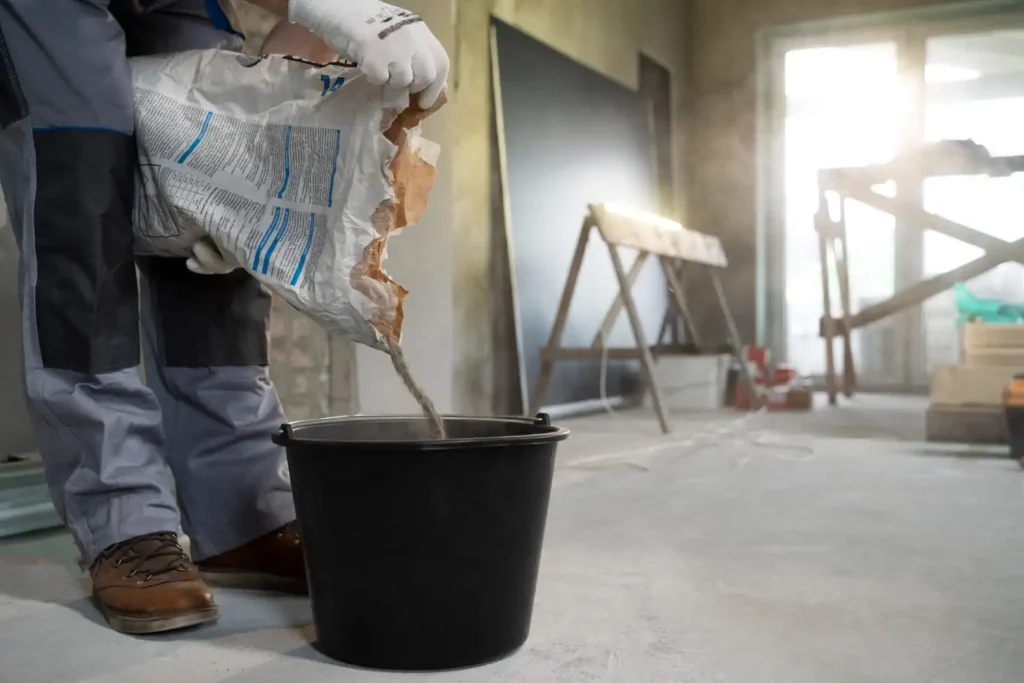
Painting stucco: how to do it smartly for a smooth finish and fair costs
Painting stucco will give a smooth finish if the surface, preparation, and choice of paint are right, and if you clarify the costs of stucco in advance.
Who is painting stucco a good idea for?
Painting stucco is ideal if you want to embellish walls or ceilings without demolition work, with an eye on the prices of a plasterer and the total costs of stucco.
For a quick restyle of your living room or hall, smooth stucco with a new coat of paint immediately creates a sense of calm, so that the cost of stucco remains limited and the finish looks tranquil.
In a rental property, it is wise to first seal wallpaper-ready stucco and then paint it, so that the costs of stucco remain predictable when you move out..
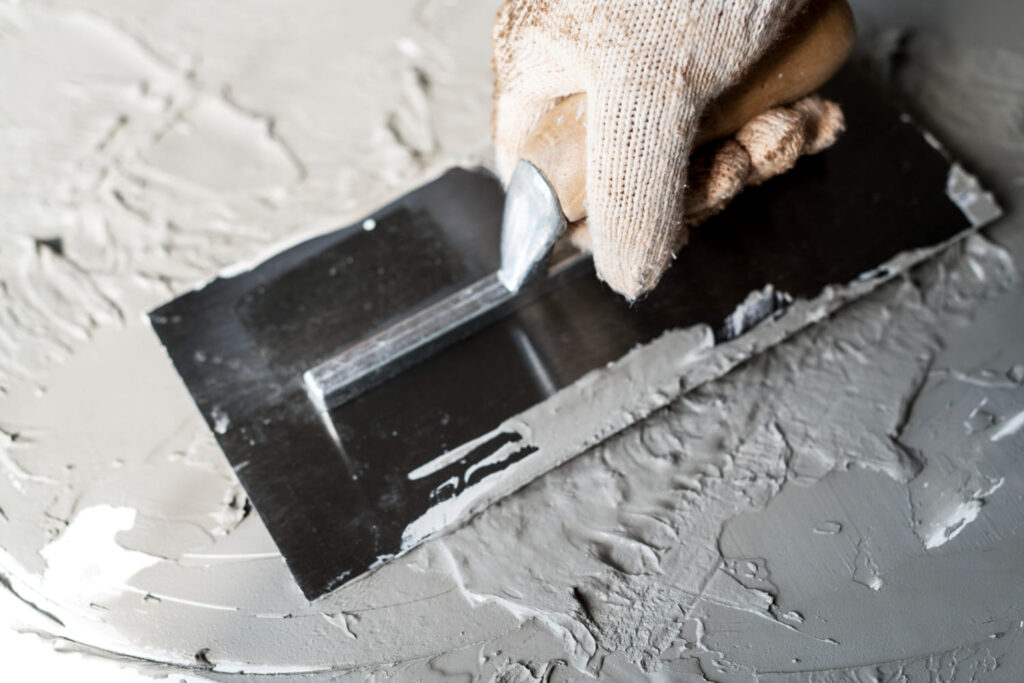
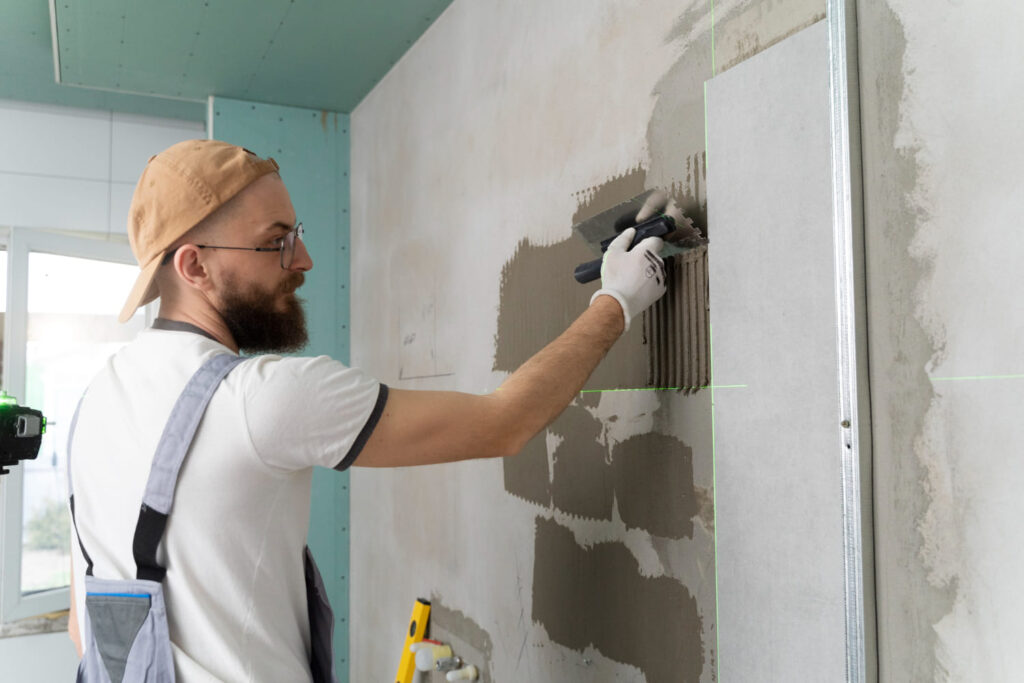
What types of stucco can you paint?
Almost all types of stucco can be painted, provided you choose the right primer and paint and do not underestimate the cost of stucco work.
Smooth stucco is highly absorbent, so first apply a primer and then latex or water-based paint, so that the plasterer’s prices do not skyrocket due to extra layers.
Decorative plaster such as Spachtelputz, Granol, or Rustiekputz can be painted over with a long-pile roller, which keeps the cost of stucco work transparent.
Sprayed plaster requires a deep primer to prevent absorption, after which the stucco can be painted evenly and the cost of stucco work remains manageable.
Cement-bound stucco in wet areas can be painted with the right vapor-permeable paint, allowing the stucco to breathe and preventing plasterer costs from rising due to repairs.
Concrete cire and microcement are rarely painted; we usually seal decorative stucco to keep it waterproof and keep stucco costs stable.
| Types of stucco | Property | Finish | Note |
|---|---|---|---|
| Smooth stucco | Fine, highly absorbent | Priming + latex | First remove dust from stucco |
| Wallpaper-ready stucco | Slight unevenness | Fill, sand, sealer | Keep stucco costs down by spot repairing |
| Decorative plaster (Spachtelputz/ Granol/Rustiekputz) | Relief, hard | Opaque latex | Long pile roller for stucco |
| Spray plaster | Speckled texture | Deep primer + latex | This type of stucco absorbs paint; test first |
| Cement-bound stucco | Moisture resistant | Vapor-permeable paint | Stuccoing a bathroom? Ventilate |
| Concrete cire / microcement | Dense, decorative | Sealer instead of paint | Degrease decorative stucco first |
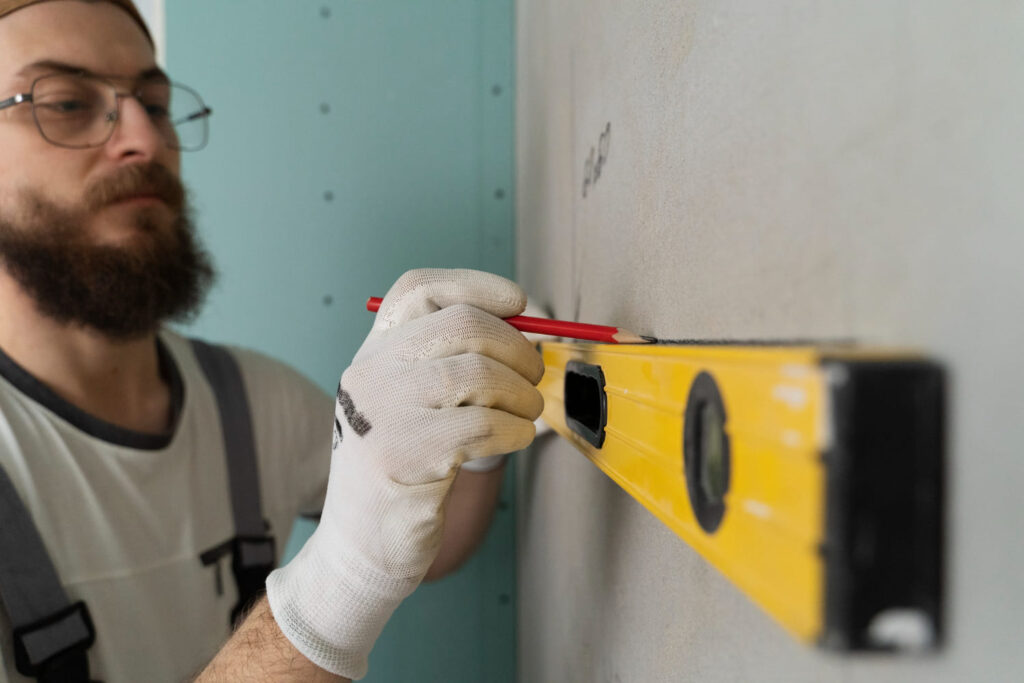
Preparation: bonding, priming, and repair work
Good bonding starts with cleaning, drying, and priming so that the plaster adheres to the paint and the costs of plastering do not increase.
We cut cracks in smooth stucco into a V-shape, fill and sand them, which limits the repair work and reduces the plasterer’s costs.
We stabilize powdery walls with a deep primer, so that this type of stucco absorbs less and painting stucco becomes predictable.
In the bathroom, we degrease cement-bound stucco and add sealant joints so that the bathroom stucco remains smooth and the cost of stucco remains low.
How do you safely remove old stucco?
We only remove old stucco if it is loose or sounds hollow, so that the cost of stucco remains under control.
In the case of locally loose stucco, we knock it down to a smooth surface, fill it with repair mortar, and match it to the surrounding stucco.
We only demolish entire walls in the case of moisture or salt damage in cement-bound stucco, because painting stucco is not a solution in such cases and stucco work would otherwise cost more.
Paint choice per room: ceilings, walls, and bathroom
Ceilings require matte, low-splash latex on smooth stucco, walls require scratch-resistant paint, and bathrooms require vapor-permeable or mold-resistant paint on cement-bound stucco.
Plastering and painting living rooms requires a higher scrub class, so that decorative stucco remains beautiful and the costs of stucco do not increase due to maintenance.
Plastering and painting ceilings is done wet-on-wet to prevent streaks, so that sprayed plaster looks smooth and the plasterer’s prices remain efficient.
We plaster bathrooms around shower areas with sealer on concrete cire or microcement, because this type of plaster is dense and painting plaster is less useful.
What does stucco painting cost per square meter?
The cost of stucco depends on the surface, type of stucco, number of layers, and accessibility; calculate using square meter prices including materials for a realistic picture.
| Work package | Indicative price per square meter | Explanation |
|---|---|---|
| Priming + 1 coat of latex (Smooth stucco) | €6–€9 per m² | Stucco with slight absorption, ceilings or walls |
| Priming + 2 coats of latex (walls) | €9–€14 per m² | Types of stucco requiring more coverage |
| Repainting decorative plaster / spray plaster | €10–€16 per m² | Long pile roller, extra consumption on stucco |
| Repair work on cracks/pits (local) | €20–€45 per hour | Small areas Repair stucco for finishing |
| Sealing Concrete cire / microcement | €12–€20 per m² | Protecting decorative stucco instead of painting |
Plasterer prices vary by region and schedule; combine stucco work with painting to reduce the cost of stucco by lowering travel expenses.
Always ask for a detailed quote per type of stucco, so you can fairly compare the cost of stucco based on materials and layers.
Planning, drying, ventilating, and heating
Plasterwork must be dry and stable before painting; ventilate and heat lightly so that the cost of plasterwork does not increase due to backlash or blistering.
New smooth plaster walls dry on average one week per centimeter, after which plasterwork ready for wallpapering is sanded and primed.
In the bathroom, the following applies: allow cement-bound stucco to dry slowly, ventilate, and only then seal or paint for durable decorative stucco.
Sprayed stucco feels dry quickly but is still absorbent; test with a drop of water on the stucco: if it is absorbed immediately, prime first and the stucco will remain neat.
Mistakes we often see and how you can prevent them
Painting too quickly on damp stucco causes blisters; wait, measure, and use the right primer to prevent damage to the stucco.
Shiny streaks on ceilings are caused by the wrong roller or too little paint on smooth stucco; choose the right coat and stucco-specific technique.
The wrong paint in the shower over cement-bound stucco causes mold; opt for a vapor-permeable system or sealer on concrete cire if decorative stucco is desired.
Rolling over decorative plaster or sprayed plaster is a waste; use a long pile so that the stucco retains its character and the cost of stucco does not double.
Microcement and concrete ciré: paint or sealer?
Concrete ciré and microcement are dense and decorative, so sealing is usually better than painting stucco to keep the cost of stucco low and the end result sleek.
In wet areas, we recommend 2K sealer on decorative stucco, so that cement-bound stucco or concrete ciré remains protected with predictable prices from a plasterer.
Only in the case of slight color correction can a special coating be used, but test it on a smooth stucco-like test surface, otherwise the cost of stucco will increase due to repairs.
Quality control and end result
Check stucco in raking light for marks, pinholes, and suction differences; repair locally to keep stucco costs low.
Check the type of stucco per room: living room, ceilings, and bathroom must each have the right paint or sealer for durable decorative stucco.
Lightly touch the wall with a clean cloth; powder on smooth stucco means re-priming to make the stucco paint opaque.
Expert tip from kostiantyn-renovations.nl
Expert tip: Always use one system from the same manufacturer on stucco: primer, wall paint, and sealer. This prevents chemical reactions between layers on smooth stucco, decorative plaster, spray plaster, and cement-bound stucco, and keeps the costs of stucco and the prices of a plasterer predictable.
Frequently asked questions about painting stucco (FAQ)
Painting stucco is best done with the right preparation for each type of stucco, keeping the cost of stucco and the cost of plastering in balance.